WE RESPOND TO YOUR NEEDS 414-271-1440
Recent Blog Posts
The Discovery Process in Personal Injury Cases
 Many people have a mistaken belief that much of a lawyer's job is done during the trial, examining witnesses, talking to the jury, and convincing the judge that their side is right. While these skills are certainly important, focusing on them ignores all the groundwork that goes into a case before trial, and it ignores the fact that over 90 percent of cases settle without ever getting to a trial.
In fact, much of the work a lawyer does happens before the trial ever starts during the “discovery phase” of the lawsuit. During this phase the lawyers exchange information with each other to help both sides build the best case. This lets lawyers go into a trial in a way that avoids any surprises, and allows them to orchestrate the best case possible. This can be especially important in personal injury cases where one side often has much more information on what happened than the other.
Bad Weather and Traffic Accident Liability
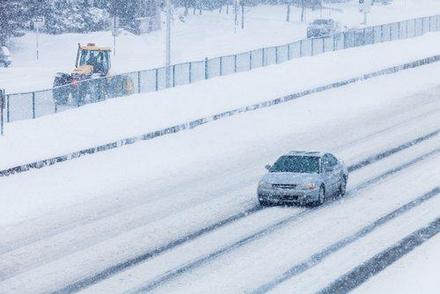 Winter is coming, which means that inclement weather is on the way. According to the Federal Highway Administration, it also means a spike in traffic accidents. While Wisconsin drivers are familiar with driving in ice and snow, they may not be so familiar with the legal ramifications for it, particularly if there is an accident. Although many drivers are content to blame the increase in accidents during bad weather on the weather itself, the law is not so forgiving. Courts still often assign fault to one of the drivers in these traffic accidents, so it is important for drivers to understand their duties in bad weather.
Traffic Accidents during Bad Weather
The issue that many drivers face in bad weather is that they do not understand the difference between speeding and “excessive speed.” Speeding is a traffic violation that involves going faster than the posted speed limits. Those speed limits were designed with dry, clear weather in mind, so it is entirely possible to be going the speed limit and still be going too fast under the law.
Bike Accident Injuries in Wisconsin
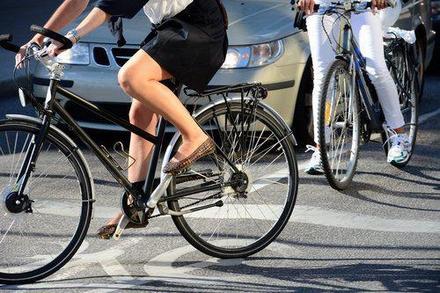 Bicycles have become increasingly popular over the past decade as the cost of gas has risen and people have taken a more active interest in the health of the environment. In fact, according to statistics published by a bicycle industry magazine, bike sales have increased more than five percent over the past three years alone. While this increase in biking may be good for the planet, it can also pose a serious risk to pedestrians. Many pedestrians are not as careful watching for bikes as they are with cars, but bicycle-pedestrian collisions can still cause serious injuries. With more cyclists on the roads and sidewalks, it can be important for pedestrians to understand the dangers and know how to react.
Bike Accident Injuries
Most people do not worry about being hit by a bike in the same way they worry about being struck by a car. After all, bikes are smaller, lighter, and cannot travel as fast. Nevertheless, bikes can still cause serious harm to pedestrians, and can even inflict fatal injuries in some cases. The most common injuries that result from bike accidents are contusions, lacerations, and broken bones. These can be severe, painful injuries that require expensive medical treatment. Beyond those sorts of injuries, pedestrians who suffer falls during the accident can often hit their heads on the way down. At the speed bicycles travel, this can result in a traumatic brain injury. These types of injuries occur when the brain is jostled around in the skull, and they can lead to nausea, concussions, seizures, and even coma or death if the injury is serious enough.
ATV and Snowmobile Accidents
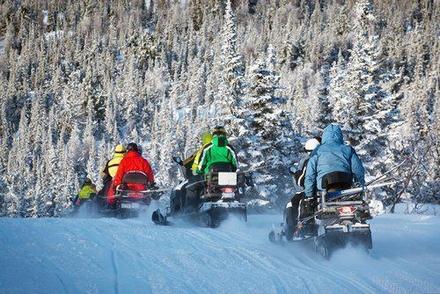 Wisconsin has a large amount of open land, perfect for riding ATVs on, and with winter approaching, it will soon become time for people to start breaking out their snowmobiles as well. While these vehicles can be fun for experienced, responsible riders, they also pose a danger. According to statistics compiled by the Wisconsin Department of Natural Resources, dozens of people each year die related to ATV and snowmobile accidents. It is important to understand that these vehicles are very different from cars, which means that the causes of ATV and snowmobile accidents, injuries, and litigation surrounding injuries is different from an ordinary traffic accident.
Causes of Accidents
Riders tend to take ATVs and snowmobiles off of open roads and into fields, woods or other rough terrain. This can lead to types of accidents that do not occur often with more mundane vehicles. For instance, 45 percent of ATV and UTV fatalities last year occurred when a vehicle rolled over on top of its rider. While rollovers do happen with cars, they are not nearly so common or so deadly. The combination of less experienced riders, more treacherous terrain, and fewer safety precautions like roofs and roll bars make rollovers more dangerous in these sorts of vehicles.
Deer Collisions and Car Crashes
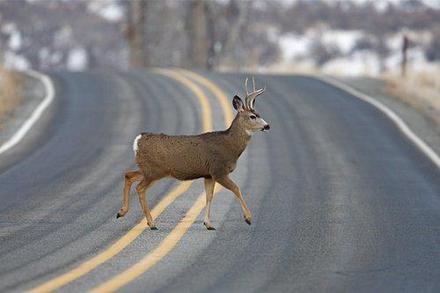 Deer collisions are a common problem for Wisconsin drivers, but it pays to be extra vigilant during the end of the year since it is their mating season, the time when deer are most active. In fact, according to the Wisconsin Department of Transportation's statistics, there are over 18,000 deer collisions in Wisconsin every year, making it a high-risk state for deer collisions. Deer collisions can be surprisingly dangerous because of a combination of their large size and sharp antlers. Especially important is the fact that deer can even be responsible for crashes between two cars. Given these dangers, drivers should learn how to minimize their risk of deer collision and what to do if they are involved in one.
Tips for Handling Deer Crashes
The optimal way to handle a deer collision is to avoid it in the first place. While some accidents are unavoidable, drivers do have strategies available to them if they want to make the collision less likely. For instance, deer tend to be the most mobile during the evening hours, so extra vigilance during those hours can help, especially in dark or forested areas or in areas with signs posted about the presence of deer. Similarly, the use of extra bright headlights in dark, low-traffic areas may help to make deer more visible. If a driver does spot one deer, then he or she should also keep in mind that deer are herd animals, so it is likely there are others roaming around in the area.
What Makes Truck Accident Cases Different?
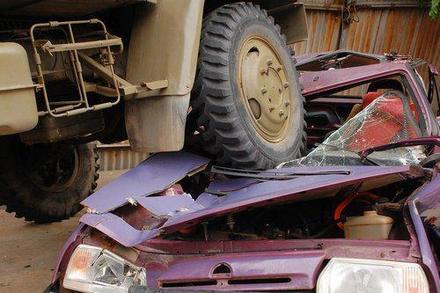 Any traffic accident has the potential to cause death or serious injury, but truck accidents can be especially problematic. A truck’s sheer size and weight can mean that truck accidents are especially likely to result in fatalities. In fact, according to statistics compiled by the National Highway Traffic Safety Administration, large trucks represented only four percent of vehicles on the road, but they were involved in eight percent of fatal accidents.
There are a host of factors that make truck accident lawsuits different than lawsuits about ordinary traffic accidents, however many of them stem from two causes. First, truck drivers are professionals, which mean that they have different regulations and legal duties. Second, collecting and managing evidence in cases with large truck accidents is very different.
How a Personal Injury Lawsuit Progresses in Wisconsin
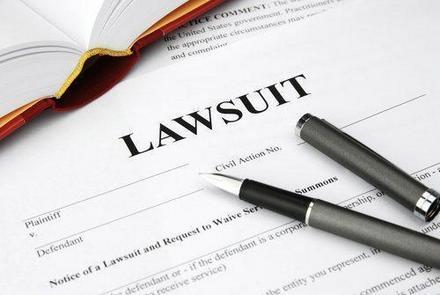 Despite the fact that many people may likely end up involved in a lawsuit at some point in their lives, most people do not understand the way that a lawsuit progresses. It can be a good idea for people who are about to file a lawsuit to understand the phases it goes through. This enables them to understand the progress being made on their case as it happens, rather than feeling like the court is just leaving them in limbo. A personal injury lawsuit, like the kind that follows a car accident, can be broken down into three broad sections: pleading, discovery, and trial.
The Pleadings
The pleadings are the earliest part of the personal injury lawsuit. They begin with a legal document called the complaint. The complaint is filed by the plaintiff - the person injured - and it lets the court know generally what the lawsuit is about. Usually it provides a summary of important facts, as well as the legal claims being made. Once the complaint is filed, it must be “served” on the defendant. This means that a copy of the complaint is sent to the other side, along with a summons telling them to appear in court.
Motorcycle Accidents in Wisconsin
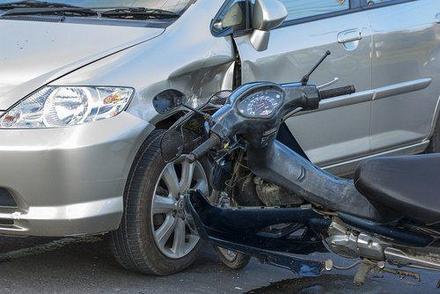 Motorcycles have become more popular in the past ten years among Wisconsin residents. For every 100 residents, there are 5.9 registered motorcyclists and over 515,000 registered motorcyclists. With the increasing popularity of motorcycles, there has also been an increase in accidents. According to statistics in the 2012 Wisconsin Motorcycle Safety Facts Book, 112 motorcyclists or their passengers were killed in 2012. That is an increase of 40 percent from 2011. Failure to control the motorcycle and inattentive driving are the two leading causes of both fatal and non-fatal crashes. With more residents receiving their motorcycle endorsement, it is important to know what to do in case of an accident.
Causes of Motorcycle Accidents
Similar to receiving your driver’s license, motorcyclists are required to obtain a motorcycle permit and then complete a rider education course or motorcycle skills test. Even with the extra training and education, sometimes road conditions or actions from others can cause an accident. Not fully stopping or looking before going to an intersection, not looking before changing lanes, or going too fast in unsafe road conditions can be a contributing factor to motorcycle accidents.
Slip and Fall Injuries: Liability for Icy Sidewalks
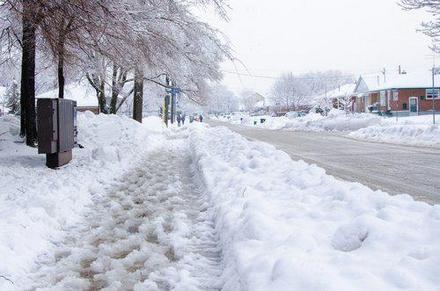 Wisconsinites are used to dealing with the cold and the ice that come along with winter, but these conditions can still pose a danger to people. One of the most common dangers is from slick sidewalks covered in ice. In fact, worldwide there are hundreds of thousands of deaths each year from falls, according to statistics compiled by the World Health Organization, and they can be especially serious for older members of the population. Fortunately, the law provides people with the ability to recover for these sorts of slip and fall injuries under a doctrine known as premises liability. That doctrine holds people responsible for maintaining their property in safe condition for other people. However, there are a variety of factors at play that can affect the strength of someone's claim.
Premises Liability
Changes to Federal Trucking Regulations May Endanger Other Drivers
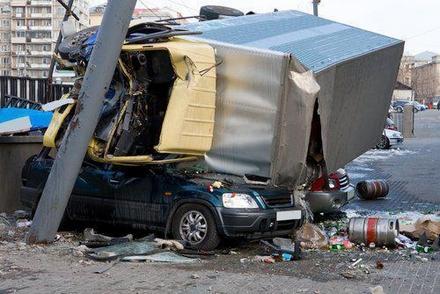 Large trucks pose a unique danger to other drivers on the road. Their massive size makes it harder for their operators to see what is around them, harder for their operators to turn, and harder for their operators to bring them to a stop. Additionally, their extra mass means that large truck accidents can be especially serious. National Highway Transportation Safety Administration data reveals that trucks are responsible for eight percent of all fatal accidents, despite constituting only four percent of all cars on the road.
Because of these unique dangers, the law imposes certain restrictions on truck drivers. They must get a certain amount of rest over certain periods, and there are limits to the amount of time they can drive consecutively and per week. However, Congress relaxed these federal trucking regulations as part of the recent spending compromise, meaning that other drivers on the road may now be less safe.